Is Your AI Interview Process Inclusive? A Guide to Accessibility and Accommodations
 Alita FernandesMarch 16, 20264 min read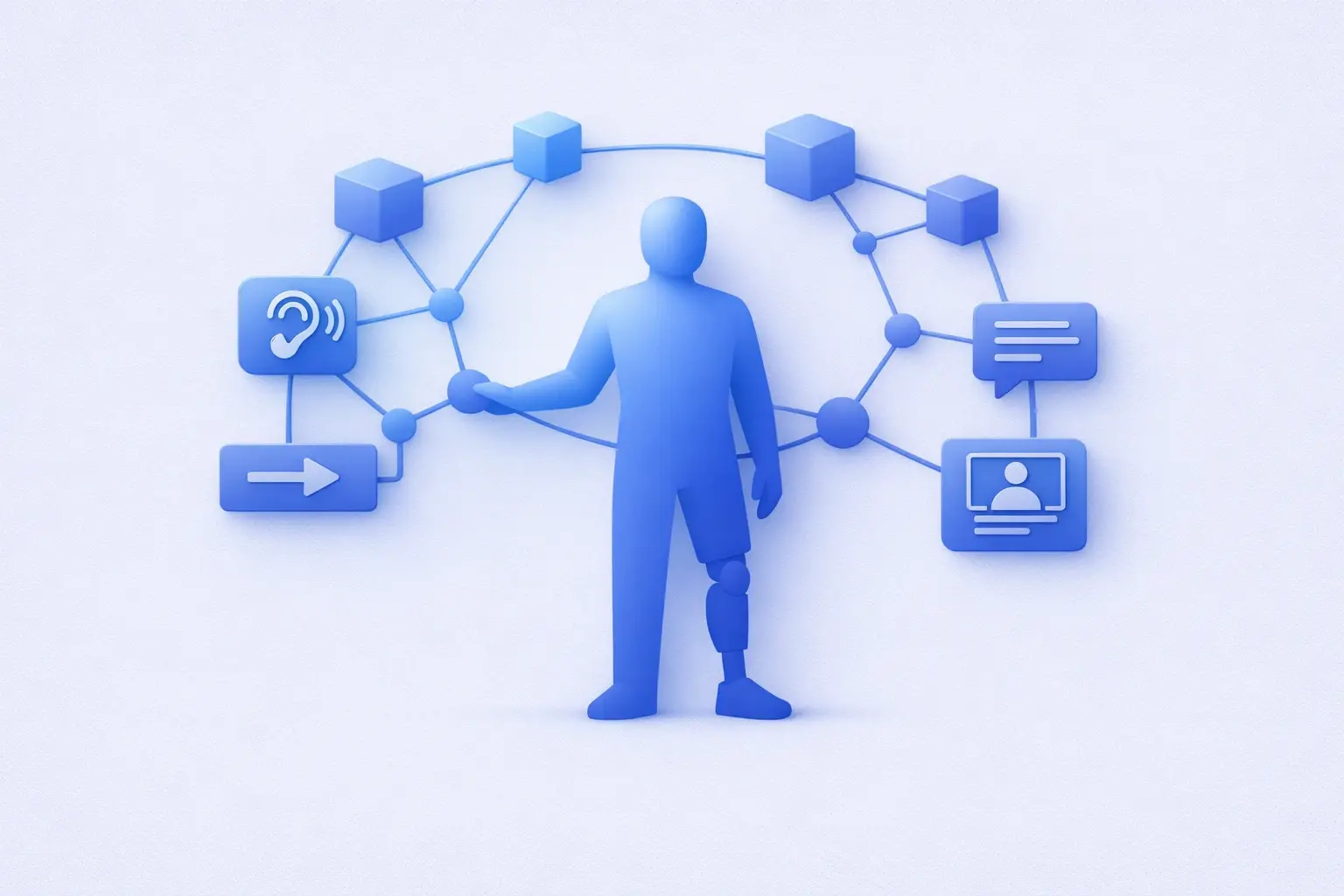
Artificial intelligence is revolutionizing hiring, promising to make recruiting faster and more efficient. But as we automate, a crucial question emerges: are we building a new front door for talent or a new barrier? For the one in six people worldwide with a significant disability, the answer depends entirely on accessibility.
Ensuring your AI interview platform is accessible isn’t just about legal compliance with regulations like the Americans with Disabilities Act (ADA); it’s about gaining access to a vast, untapped talent pool. Let’s explore how to make sure your technology empowers every candidate to showcase their skills.
How AI Can Unintentionally Create Barriers
The promise of AI is objectivity, but algorithms are only as unbiased as the data they learn from. If an AI is trained on narrow datasets of “typical” candidate behavior, it can inadvertently penalize individuals with disabilities.
For instance, an AI analyzing facial expressions might flag a neurodivergent candidate for atypical eye contact, misinterpreting it as a lack of confidence. Similarly, voice analysis software could penalize a candidate with a speech impediment. This isn’t malicious—it’s a blind spot in the technology’s design that can have profound consequences. Recognizing these potential pitfalls is the first step toward reducing unconscious bias in hiring.
Building an Accessible AI Interview: Key Features to Look For
A truly inclusive AI interview platform is designed with accessibility at its core, not as an afterthought. This means incorporating features that empower all users.
Here are practical accommodations that make a difference:
- For Visual Impairments: The platform must be fully compatible with screen readers and allow for keyboard-only navigation. High-contrast modes and descriptive audio for visual cues are essential.
- For Hearing Impairments: Accurate, customizable live captioning is non-negotiable. Offering text-based interview options or seamless integration for sign language interpreters provides true equity.
- For Neurodiversity or Cognitive Disabilities: Flexibility is key. Features like extended response times, simplified user interfaces, and providing questions in advance can significantly reduce cognitive load and anxiety.
- For Mobility Impairments: The interface should require minimal fine motor skills and be fully navigable via keyboard or voice commands.
Handling Accommodation Requests with Confidence
Technology is only one part of the equation. Your process for handling accommodation requests is equally important for improving your candidate experience.
According to the Job Accommodation Network (JAN), the best approach is an interactive one.
- Be Proactive: Clearly state your commitment to accessibility on your job postings and career page. Provide a simple, confidential way for candidates to request accommodations.
- Engage in Dialogue: When a request is made, open a conversation to understand the candidate’s specific needs. The goal is to find a reasonable solution that allows them to participate fully.
- Train Your Team: Ensure everyone involved in hiring understands the importance of accommodations and feels equipped to handle requests empathetically and efficiently.
FAQ: Your Accessibility Questions Answered
Is our company responsible for the accessibility of a third-party AI tool?Yes. Under the ADA, employers are responsible for ensuring all aspects of their hiring process, including tools provided by vendors, are accessible and non-discriminatory.
Will candidates be comfortable requesting accommodations for an AI interview?They will if you create a welcoming and transparent process. A culture of inclusion encourages candidates to ask for what they need without fear of stigma.
What is the first step we can take to improve our AI interview accessibility?Start with an audit. Review your current platform against accessibility standards like the Web Content Accessibility Guidelines (WCAG). From there, create a clear and visible process for accommodation requests.
Ultimately, building an accessible AI hiring process is about more than avoiding legal risk. It’s about designing a system that recognizes talent in all its forms, ensuring that the best candidates, regardless of ability, can shine.