Building a Modular HR Tech Stack: Your Guide to an AI-Ready Future
 Alita FernandesApril 8, 20264 min read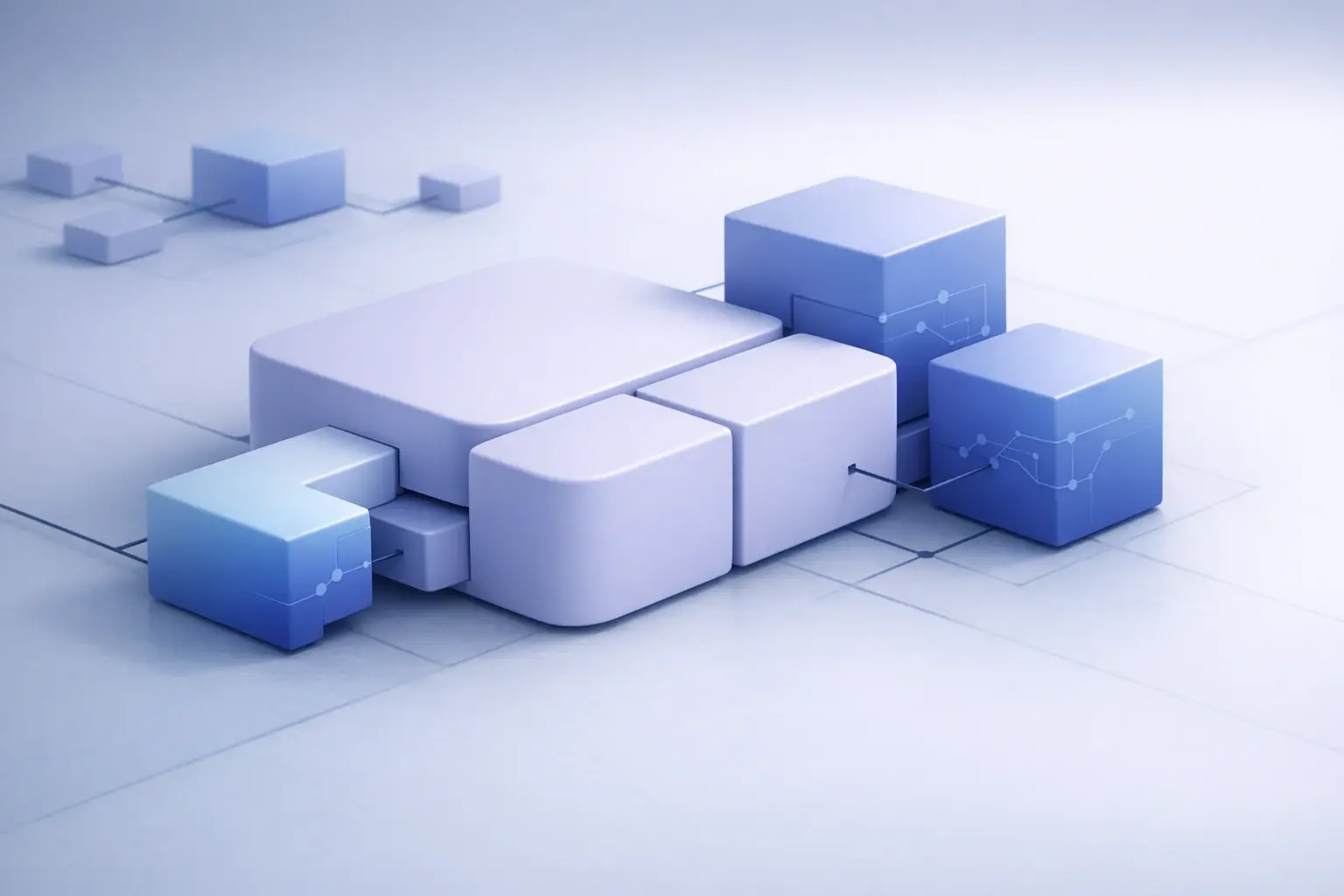
Ever feel like your HR software is a step behind? You’re trying to keep up with the rapid pace of AI and new recruiting tools, but your current system feels more like a roadblock than a launchpad. If you’ve ever wished you could just swap out one clunky feature without overhauling everything, you’re already thinking about the future of HR technology.
That future is modular. It’s about creating a flexible, adaptable system that grows with you—and it’s the key to unlocking the true potential of AI in recruitment.
Monolithic vs. Modular: The LEGO Analogy
To understand what a modular tech stack is, let’s think about two ways to build with LEGOs.
1. The Monolithic Stack (The Pre-Built Castle): This is the traditional, all-in-one HR suite. It’s like buying a pre-assembled LEGO castle. Everything is included—payroll, recruiting, performance management—all fused together. It works out of the box, but what happens when you want to add a new, better drawbridge? You can’t. You’re stuck with the one it came with.
2. The Modular Stack (The Box of Bricks): This approach is like having an endless box of individual LEGO bricks. You start with a core foundation—your HRIS or ATS—and then connect specialized, best-in-class tools for each function. Need a better payroll system? Plug one in. Want to add an advanced AI interviewing tool? Snap it on. Each piece is chosen for its specific strength and connects seamlessly with the others.
This is the essence of a modular HR tech stack: a flexible ecosystem of specialized tools that work together, giving you the power to adapt and innovate without limits.
Why a Modular Approach is Your AI Launchpad
“Future-proofing” isn’t just about preparing for the unknown; it’s about building a system designed for change. AI and automation are evolving at lightning speed. A monolithic system might add an AI feature eventually, but a modular stack lets you integrate the best AI tools the moment they become available.
Here are the core principles that make this possible:
- API-First Design: Think of an API (Application Programming Interface) as a universal translator. Tools with strong APIs are designed to “talk” to other software effortlessly. When choosing a new tool, asking “How good is your API?” is one of the most important questions.
- Interoperability: This is the simple idea that your tools should play well together. A modular strategy focuses on selecting solutions that can easily share data and trigger workflows in other systems, creating a unified and efficient process.
For example, with a modular stack, an applicant in your ATS can automatically be sent an invitation from a specialized AI interview platform. The results from that interview can then flow right back into the candidate’s profile in the ATS. Each tool does what it does best, creating a powerful, automated workflow.
Avoiding the “Frankenstack”
A common fear is that a modular approach will create a confusing, fragmented mess—a “Frankenstack.” But with a thoughtful strategy, you can build a cohesive and powerful ecosystem.
The key is to start with a strong core system (often your Applicant Tracking System or HR Information System) and ensure every new “module” you add has robust integration capabilities. Focus on how data will flow between systems before you commit. This prevents data silos and ensures your team has a single source of truth.
Your Modular Stack Questions, Answered
What are the basic components of a modular HR stack?It typically starts with a core system like an HRIS (for employee data) or an ATS (for recruiting). From there, you can add modules for payroll, benefits administration, learning management (LMS), performance management, and specialized AI recruitment tools.
How do I start if I’m stuck with a monolithic system?Start small. Identify the biggest pain point in your current system. Is it your screening process? Your interview scheduling? Find a best-in-class modular tool that solves that specific problem and integrates with your current system. You can gradually replace components over time.
Is a modular stack more expensive?Not necessarily. While there may be multiple subscriptions, you only pay for the exact functionality you need. This often proves more cost-effective than paying for a bloated all-in-one suite where you only use 60% of the features.
Building a modular HR tech stack is no longer just an IT decision; it’s a strategic move to create a more agile, efficient, and intelligent hiring process. It’s about giving your team the best tools for every job and ensuring you’re always ready for what’s next.