Beyond Keywords: How AI Deep Profiling Is Revolutionizing Tech Hiring
 Alita FernandesMarch 11, 20264 min read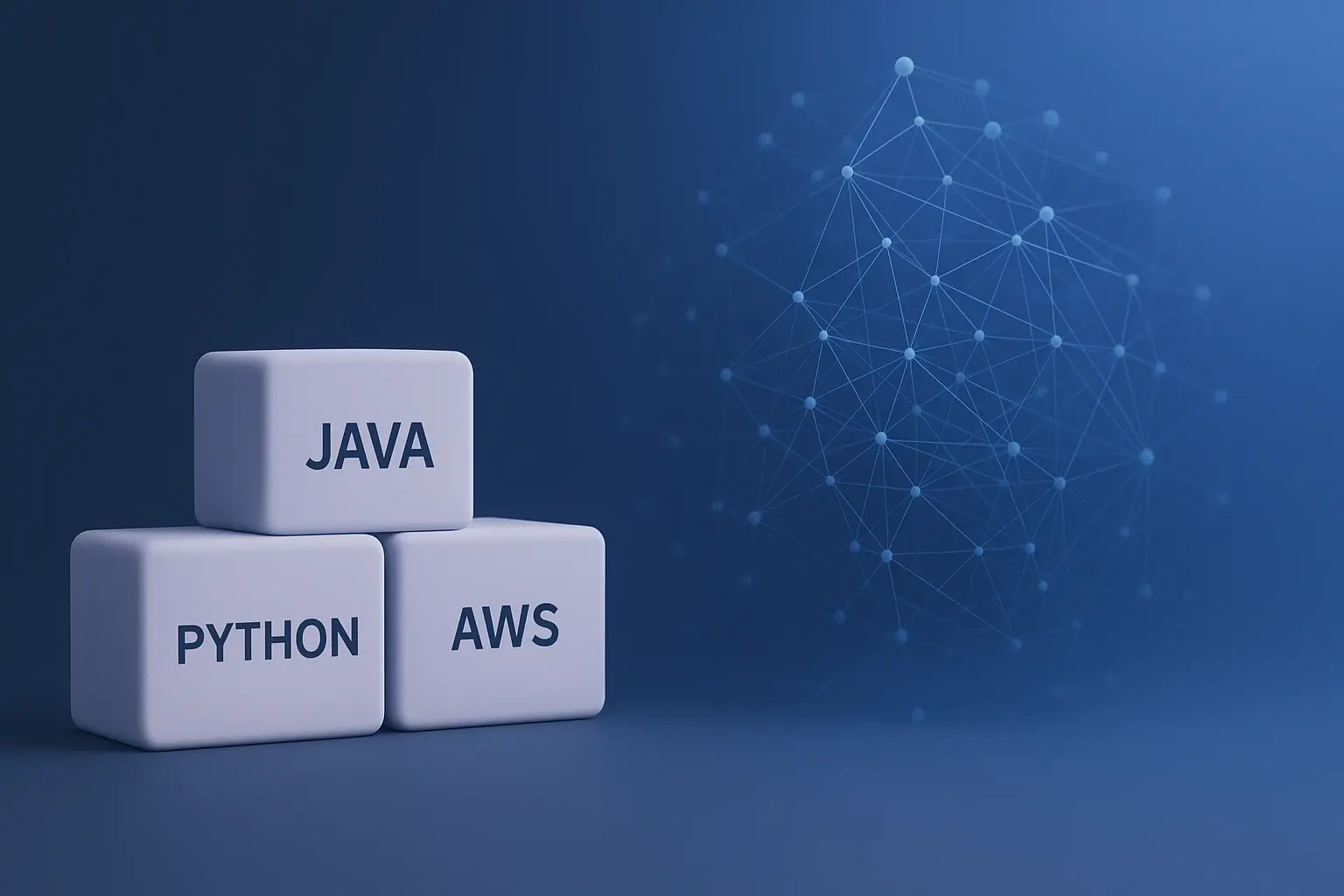
You’ve seen it a hundred times: a resume lists “Expert in Java” or “Proficient in AWS.” But what does that truly mean? Does it signify the ability to design a complex, scalable microservices architecture, or simply experience with basic application deployment? For recruiters and hiring managers in tech, this ambiguity is a constant challenge. Traditional screening often relies on keyword matching, a method that can’t distinguish between deep expertise and surface-level familiarity.
This is where the next generation of AI is changing the game, moving beyond simple keywords to perform deep technical skill validation.
The Foundation: What Is AI-Driven Skill Validation?
At its core, AI-driven skill validation uses machine learning and natural language processing to analyze a candidate’s technical abilities with far more nuance than a human can at scale. Instead of just checking boxes, it evaluates the quality, context, and application of a skill. This involves parsing resumes, analyzing code samples, and even evaluating answers from automated interviews to build a rich, multi-dimensional profile of a candidate’s true capabilities.
From Keywords to Competencies: The Deep Profiling Advantage
The real breakthrough isn’t just automation; it’s depth. While basic AI tools might get stuck on keyword frequency, advanced platforms perform what we call “deep profiling.” Imagine an AI that can:
- Analyze Code for More Than Correctness: It assesses not just if the code works, but also its efficiency, readability, and use of best practices—hallmarks that separate a junior developer from a senior one.
- Understand Architectural Philosophy: By analyzing how a candidate describes their approach to system design, the AI can infer their understanding of scalability, security, and maintainability.
- Develop Custom Metrics: A “one-size-fits-all” test rarely works. Deep profiling tools can apply custom metrics tailored to the specific demands of a role. For a Data Scientist, this might mean evaluating their choice of statistical models; for a Cloud Engineer, it might be their strategy for cost optimization in a cloud environment.
This detailed analysis provides a clear picture of a candidate’s abilities, allowing you to compare applicants on a consistent and meaningful basis. This is especially crucial when you need reliable resume screening at scale.
Tackling the Tough Questions: Fairness and Bias
It’s natural to be skeptical. Early AI interview tools faced valid criticism for embedded biases and technical failures. However, modern, ethically-designed systems address these issues head-on. By training on diverse datasets and focusing on objective, skill-based criteria, these tools can actually reduce the human bias that often creeps into traditional hiring processes.
The goal isn’t to replace human judgment but to empower it. By handling the initial, intensive screening with unparalleled consistency, AI frees up your team to focus their energy on the best-fit candidates, armed with rich, data-driven insights from human-like AI interviews at scale.
Frequently Asked Questions
1. What is AI-driven technical skill validation?It’s the use of artificial intelligence to assess a candidate’s technical skills with depth and consistency. Instead of just matching keywords on a resume, it analyzes how a person applies their knowledge in practical scenarios, from writing code to discussing system architecture.
2. Can AI really understand complex coding skills?Yes. Advanced AI moves beyond checking for correct syntax. It evaluates code quality, efficiency, and adherence to established principles, providing insights that mirror the review process of a senior engineer.
3. Does this make the hiring process less personal for candidates?Not necessarily. When done right, it makes the process fairer and more efficient. Candidates get to demonstrate their skills in a consistent, unbiased environment. This allows hiring teams to spend more quality, human-to-human time with the most qualified individuals later in the process. Many systems also use smart chat bots built for purpose to ensure candidates are always informed and engaged.
The Future is Deeper, Not Just Faster
Adopting AI in recruitment isn’t just about speeding up a broken process. It’s about adding a layer of intelligence and fairness that was previously impossible at scale. By moving beyond the keyword and embracing deep skill validation, you can build stronger technical teams, reduce hiring mistakes, and discover talented candidates you might have otherwise overlooked.